CIS celebrates heart month by promoting prevention and screenings
Published 4:52 pm Friday, January 30, 2026
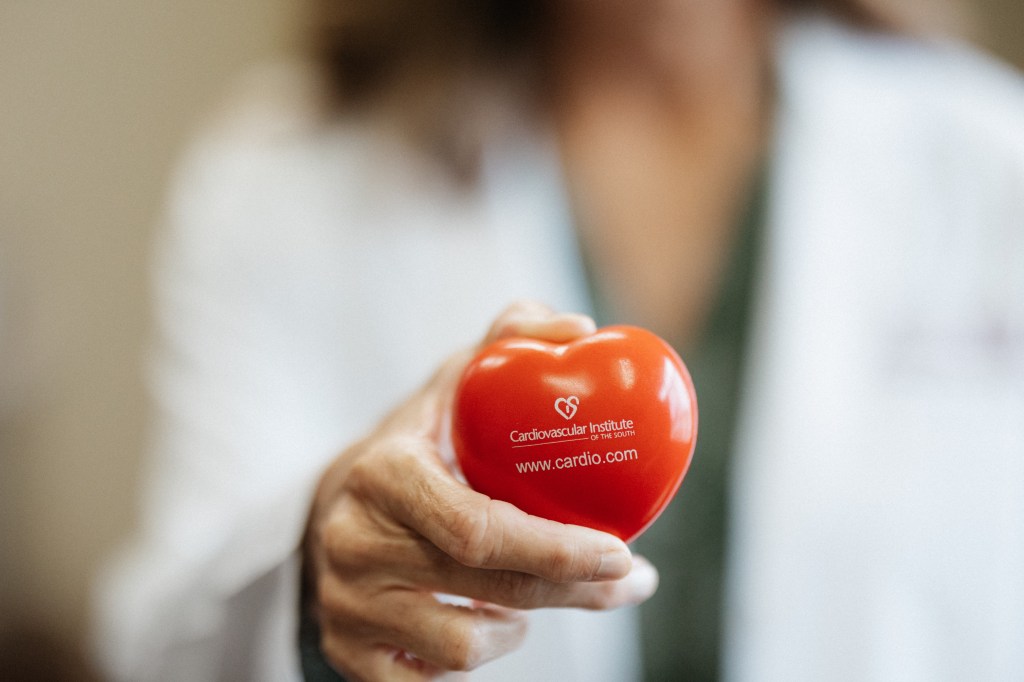
Cardiovascular Institute of the South is celebrating American Heart Month this February by bringing awareness to cardiovascular disease prevalence and prevention. As part of the initiative, CIS is offering free cardiovascular screenings at various locations throughout the month to aid in early detection.
Cardiovascular disease can show itself in many ways, sometimes through subtle signs and sometimes with no signs at all. It may stay silent until a heart attack or stroke occurs and can strike at any age. Cardiovascular disease takes many forms and affects not only the heart, but also the arteries and veins throughout the body. The absence of chest pain does not necessarily mean everything is fine.
Risk factors may include family history of heart disease, high cholesterol, hypertension, or high blood pressure, diabetes, smoking, being overweight, being inactive, or pain or swelling in the feet or legs.
Common cardiovascular disease myths include:
Myth: If you have high blood pressure, you’ll be able to feel it.
Fact: Many people assume they would feel it if they had high blood pressure. Most of the time, they don’t. High blood pressure often causes no symptoms at all, earning it the nickname “the silent killer.”
Myth: Quitting smoking won’t lower your risk of heart disease.
Fact: Some believe that quitting won’t undo the damage. In truth, the body begins to heal remarkably quickly. Within one year of quitting smoking, the risk of coronary artery disease is reduced by half. After five years, stroke risk can lessen to that of a non-smoker.
Myth: You’ll only get heart disease if it runs in your family.
Fact: Many people believe heart disease only develops if it runs in the family. While genetics do play a role, the majority of heart disease cases are strongly influenced by lifestyle factors such as diet, smoking, and physical activity. Even for those with a family history, heart-healthy habits, preventive care, routine screenings, and medication when appropriate can dramatically reduce risk.
Myth: Diabetes does not affect the heart.
Fact: Diabetes can have a debilitating effect on heart health. Over time, it damages blood vessels and increases cardiovascular risk. Managing diabetes early and effectively is critical to protecting the heart.
Myth: Cholesterol cannot be lowered.
Fact: High cholesterol is one of the major controllable risk factors for coronary heart disease, heart attack, and stroke. Yet only about half of the 94 million adults with elevated cholesterol are appropriately managing their condition.
Myth: I don’t have to see a cardiologist until I’m older.
Fact: Cardiovascular disease is becoming more prevalent in those under the age of 60. Without symptoms present, those aged 45 or older should see a cardiologist and be screened. Heart disease can strike before symptoms are noticed, which is why it is important to determine your risk factors now and take preventative measures to lessen your risk.
To find an upcoming screening near you, visit www.cardio.com/event/. To schedule an appointment, visit www.cardio.com.